Quick answer: Pick a sharp niche, design 2–4 hero styles, find a real low-MOQ factory (not a trading company), sample, then place a 100–300 piece first run. Budget roughly US$3,000–10,000 and 8–12 weeks from inquiry to delivered stock.
1. Choose a niche, not "activewear"
The brands that win in 2026 are specific. "Seamless sets for pilates", "squat-proof leggings for curvy bodies", "minimalist training wear for men" — a tight niche makes your marketing cheaper and your product decisions easier. Decide who you're for before you decide what you make.
2. Design your first 2–4 styles
You do not need a full collection. Most successful launches start with a hero set (a bra + leggings or a matching set) in 2–3 colorways. You also don't need finished tech packs — a sketch, a reference photo, or even a Pinterest board is enough for a good factory's design team to work from. Nail fit and fabric on a few styles before you expand.
3. Decide seamless or cut-and-sew
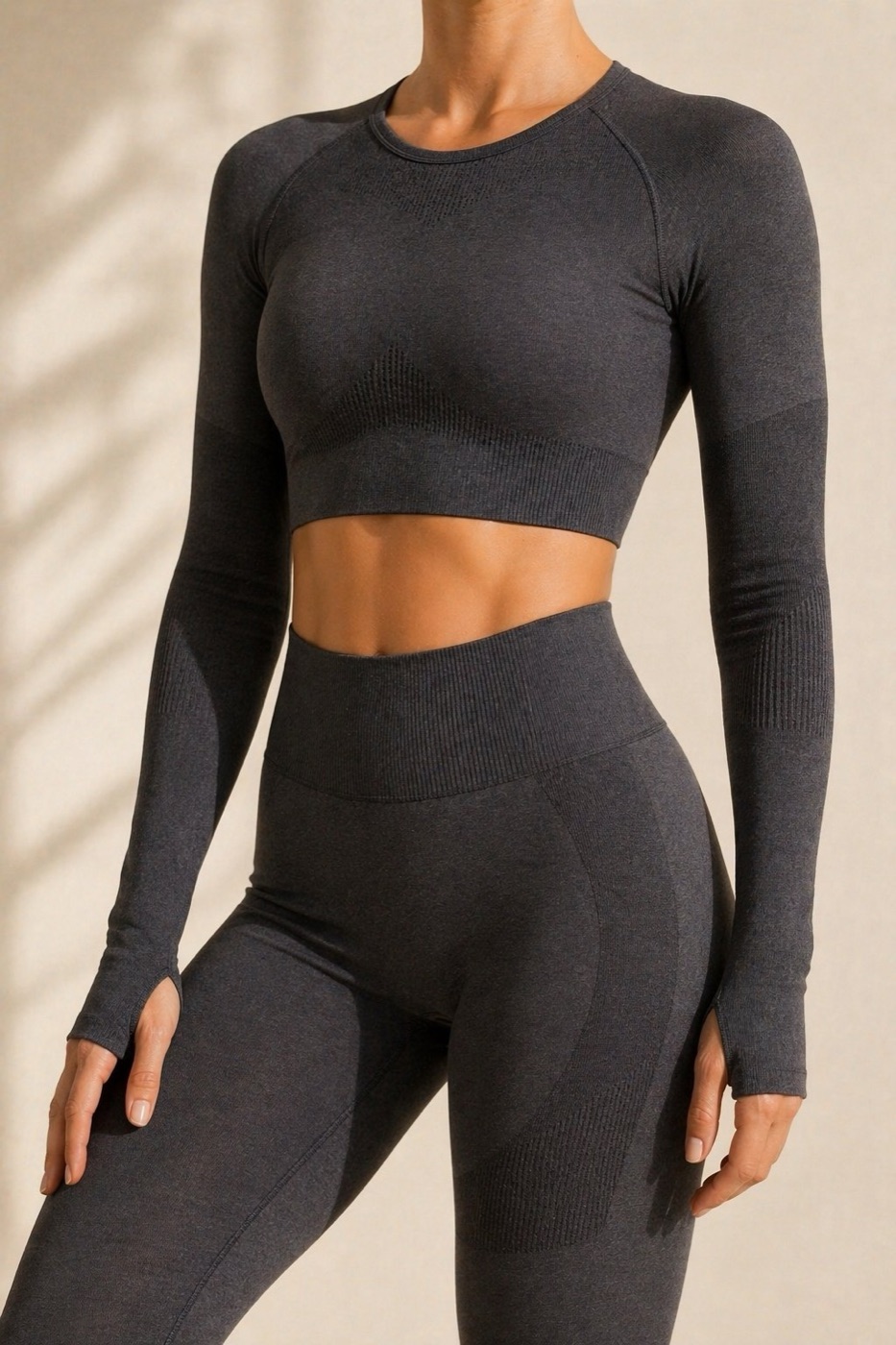
Seamless (knitted as one tube) gives a second-skin fit, fewer chafe points and that premium "buttery" feel buyers love. Cut-and-sew gives more design freedom (panels, zips, pockets, contrast piping). Many brands mix both. We break this down in seamless vs cut-and-sew.
4. Find the right manufacturer
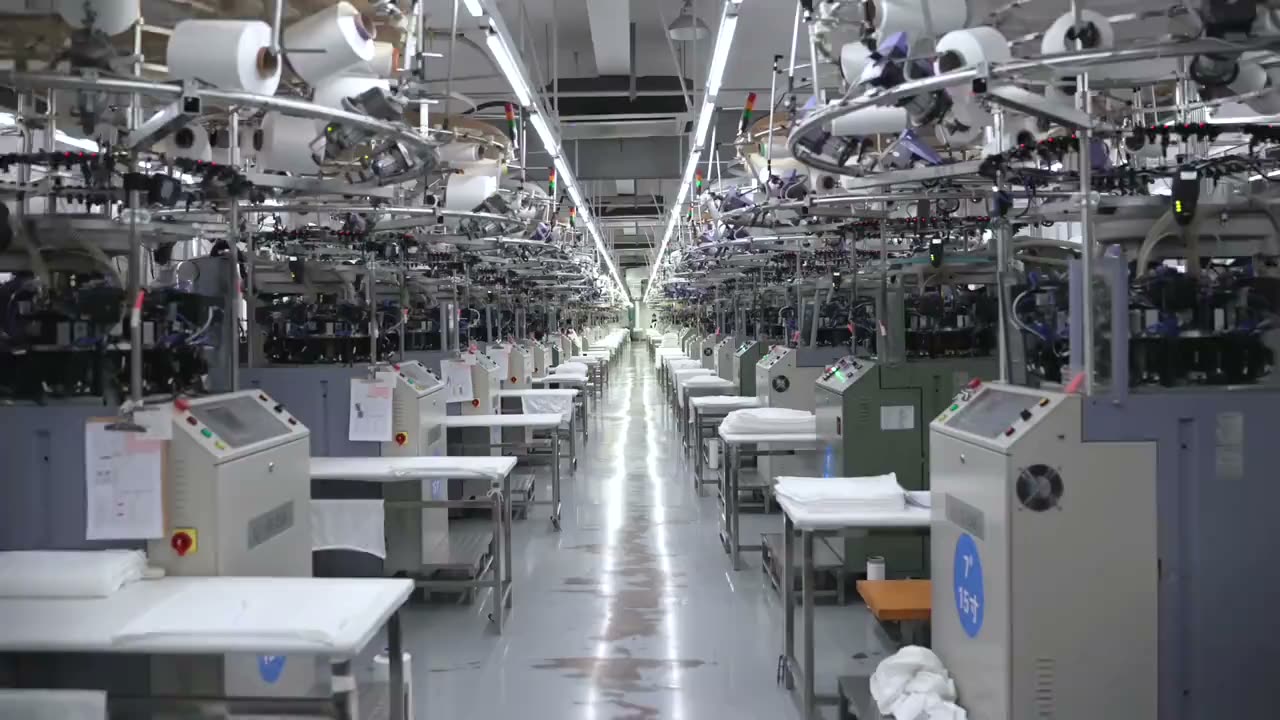
This is where most brands get burned. The big factories ignore small orders; the cheap "factories" on marketplaces are often trading companies that outsource your order and mark it up. Look for a real factory with a low MOQ (around 100 pieces), in-house production, fast sampling and a human who actually replies. Read how to find a low-MOQ manufacturer for the exact questions to ask.
5. Understand MOQ, cost and timeline
- MOQ: ~100 garments in total for stock styles + your logo; usually 300–500 per style per colour for full custom.
- Sample cost: roughly US$30–80 per style; 7–10 days to make.
- First-run budget: a realistic US$3,000–10,000 including samples, bulk, logos, packaging and freight.
- Timeline: ~8–12 weeks inquiry → delivered (sampling, approval, 30-day bulk, shipping).
6. Sample, approve, then go to bulk
Always approve a physical sample before bulk. Check fit on a real body, squat-test for opacity, wash-test for shrinkage and color. A good factory will iterate the fit with you. Once approved, a deposit secures your production slot.
7. Branding, packaging and launch
Decide your logo method (heat-transfer, silicone 3D, embroidery), woven labels, hangtags and polybags early — they're cheap to add at production and expensive to retrofit. While bulk runs, build your Shopify store, shoot the product, and warm up your audience so you sell through your first run fast.
Choose a wedge, not a category
"Activewear brand" is not a positioning — it is a category containing Nike. Brands that break through pick a wedge narrow enough to own: a body-type promise (long-torso fits, true extended sizing), a discipline (pilates-specific grip and drape, powerlifting-depth squat-proof), a value stance (certified recycled, radical price transparency), or an aesthetic tribe. The wedge decides everything downstream — which 4 styles launch, which fabric story matters, which creators to seed, even which colorways lead. Test yours with one sentence: "the only leggings made for ___". If the blank could say "everyone", you have a category, not a wedge, and you will be competing on ad budget instead of meaning.
The first 90 days after launch (where brands actually die)
Launch day is the midpoint, not the finish. Days 1–30: obsess over first-order experience — shipping speed, unboxing, a personal note; request reviews at the two-week wear mark, not at delivery. Days 30–60: read the data — size-exchange patterns (grading signal), repeat visits to sold-out items (reorder signal), and review language (mine it for the exact words your next product page should use). Days 60–90: place the reorder on winners before stockout kills momentum, fix one fit note, and add the requested colorway. The failure pattern we see from the factory side: brands that spent everything on launch inventory and have no cash for the reorder exactly when demand proves itself — hold 30% of budget back for month three.
What to outsource vs own at the start
Own: positioning, community, content voice, and the fit decisions — these are the brand. Outsource: production, fulfilment once volume justifies a 3PL, and bookkeeping. The trap is inverting it — founders who hand-pack boxes while an agency "does brand strategy" have it exactly backwards. One practical structure that works: founder does creative and community, factory handles product end-to-end on an ODM basis (what ODM covers), a part-time VA runs support from week one with a returns playbook. Total headcount: one, for longer than you'd think.
Frequently asked questions
How much does it cost to start an activewear brand?
A realistic first run is US$3,000–10,000: samples, a small bulk order at a 100-piece MOQ, logos, packaging and shipping. Starting with stock styles plus your logo keeps it at the lower end.
What's the minimum order to start?
With the right factory, 100 garments in total for stock styles, or usually 300–500 per style per colour for full custom.
How long to launch?
Around 8–12 weeks from first inquiry to delivered stock.