Quick answer: A tech pack is the blueprint a factory uses to make your garment — measurements, materials, construction, trims and logo placement. You don't have to create one yourself: a good factory's design team builds it from your sketch, photo or reference, often free.
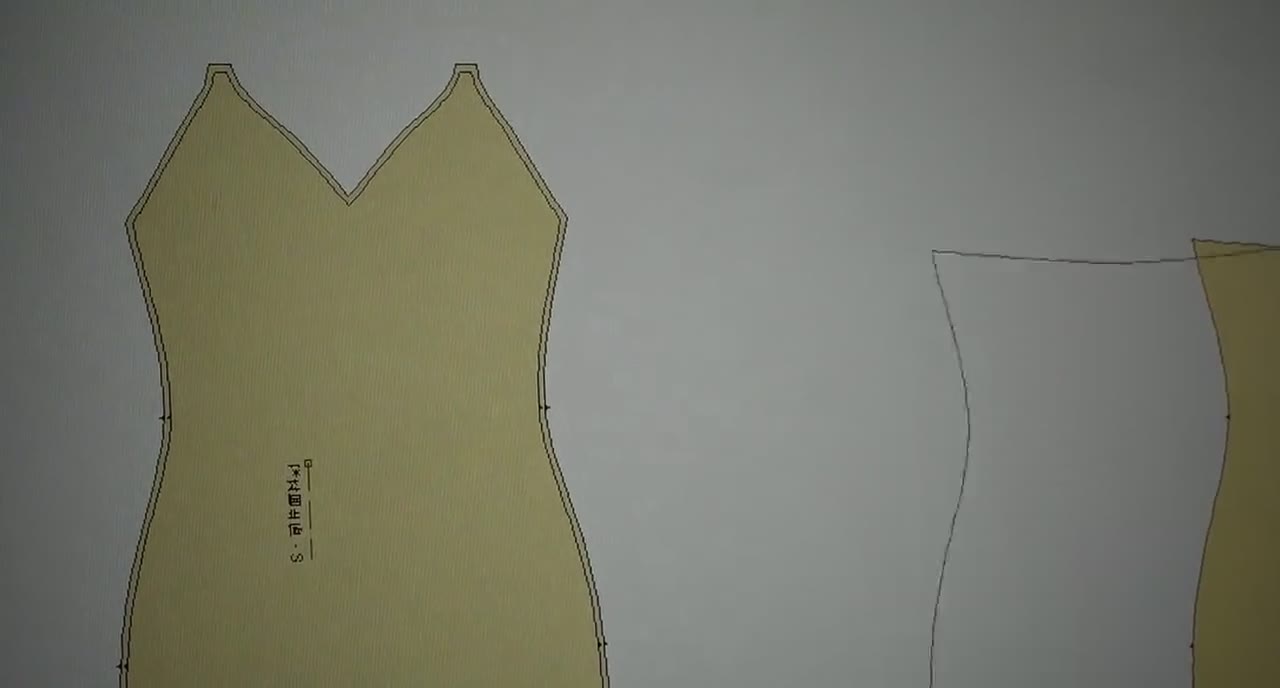
What is a tech pack?
A tech pack (technical package) is a spec sheet that tells the factory exactly how to make your product. It removes guesswork, so the sample comes back like what's in your head — not a surprise.
What goes in a tech pack
- Technical sketch / flat: front and back line drawing.
- Measurements (POM): points of measure and a size chart (graded across sizes).
- Materials (BOM): fabric composition, GSM, trims, elastic, thread.
- Construction details: seam types, gusset, waistband, stitching.
- Colorways: Pantone references.
- Branding: logo method and placement, labels, hangtags, packaging.
Do you have to make it yourself?
No — and this is the part Reddit threads miss. While professional tech-pack services exist (and cost US$100–300+ per style), a real factory with an in-house design team can build the tech pack for you from a sketch, a photo, or a reference garment. At Yesseam that's part of our free design help.
How to brief a factory without a tech pack
- Send a reference photo or a Pinterest board of the vibe and fit.
- Note your target fabric feel (buttery, compressive, ribbed) and use case.
- List sizes, colors and any must-have features (pockets, V-waist, logo).
- We turn that into a tech pack and a fit sample for your approval.
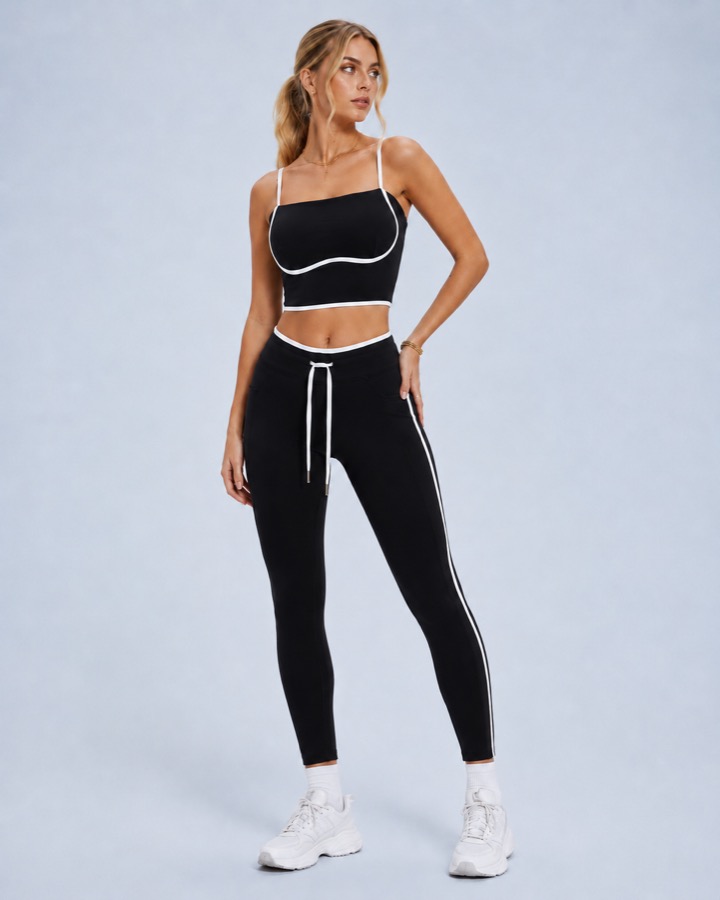
The nine pages of a complete tech pack
A tech pack that prevents surprises has: (1) a cover page — style name/number, season, date, revision; (2) flat sketches, front and back, annotated; (3) the measurement chart (POM table) with tolerances; (4) fabric specs — composition, GSM, finish, and where each fabric is used; (5) trims — elastics, drawcords, pads, with widths and suppliers if fixed; (6) branding placement — labels, prints, embroidery with sizes and art files; (7) colorways — Pantone TCX codes per part; (8) construction notes — stitch types, seam finishes, bonding; (9) packing — folding, polybag, tags, carton markings. Nine pages sounds heavy; each one deletes a guess a factory would otherwise make for you.
The measurement chart is the contract
List every point of measure with a tolerance: waist relaxed ±1 cm, inseam ±1.5 cm, and so on, for the base size — the factory grades the rest per your grade rules. Two disciplines make it work: measure like the factory does (garment flat, defined landmarks — specify "waistband top edge to crotch seam", not "rise"), and never revise verbally. Every change goes into a new revision number, because "the version we discussed on WhatsApp" is how two different garments get produced in the same order.
The five mistakes that cost sample rounds
Missing tolerances (a measurement without one is a wish, not a spec). Screenshot art instead of vector files for logos. "Same as the photo" fabric references — a photo carries no GSM. Pantone from a screen instead of TCX codes. And no packing page, which is how retail-ready goods arrive folded wrong for your 3PL. Fix these five and you are ahead of most first-time tech packs we receive.
Don't have one? That's what ODM is for
You do not need a tech pack to start with a factory like ours — you need decisions. In ODM and stock-program work we hold the base blocks, grade rules and construction standards, and generate the tech pack around your choices (style, fabric, colors, branding). You approve the pack, then the fit sample against it. Bring a full pack if you have one; bring clarity if you don't. The OEM vs ODM guide maps which route fits your stage.
The grading-rules page most packs forget
A measurement chart defines one size; grade rules define all the others. The page lists, per point of measure, how much each size step adds — waist +4 cm per size, inseam +1 cm, and so on. Without it, the factory applies house rules, which may not match the size chart your customers shop against — and a size-M-shaped brand with size-L-shaped grading generates the "runs small" review wall. If you don't have grade rules, say so explicitly and adopt the factory's block after measuring it yourself; what you must never do is leave the page out and assume. Seamless grading is knit-programmed, so getting rules right once pays across every style on that block — details in the sizing & grading guide.
Revision control: the boring discipline that saves orders
Every tech pack change gets a version number and a one-line change log — "v1.2: rise +1 cm, waistband elastic 30→35 mm, 2026-07-14". The current version lives in exactly one shared place; superseded PDFs get renamed OLD. Factories produce against documents, and the most expensive words in manufacturing remain "we discussed it on WhatsApp". When a fit sample arrives, comment against the version that produced it, then issue the next version before the next sample. Ten minutes of clerical discipline per round is the difference between an audit trail and an argument when bulk arrives 1 cm off.
For the fabric section specifically, our free Seamless Fabric Spec Builder generates a paste-ready clause.
FAQ
Do I need a tech pack to make activewear?
You need one to produce accurately, but you don't have to create it yourself — a good factory's design team can build it from your sketch, photo or reference, often free.
How much does a tech pack cost?
Independent services charge roughly US$100–300+ per style. Many factories, including Yesseam, create the tech pack for free as part of development.