Quick answer: Start with POD to validate designs at zero risk. Switch to private label the moment a style sells consistently — usually around the point you'd reorder 100+ pieces anyway. That's when private label wins on margin, quality and fit.
What each one actually is
Print-on-demand (POD): a third party prints your design onto blank activewear and ships per order. No inventory, no MOQ — but you're limited to their blanks, their fit, their fabric, and thin margins.
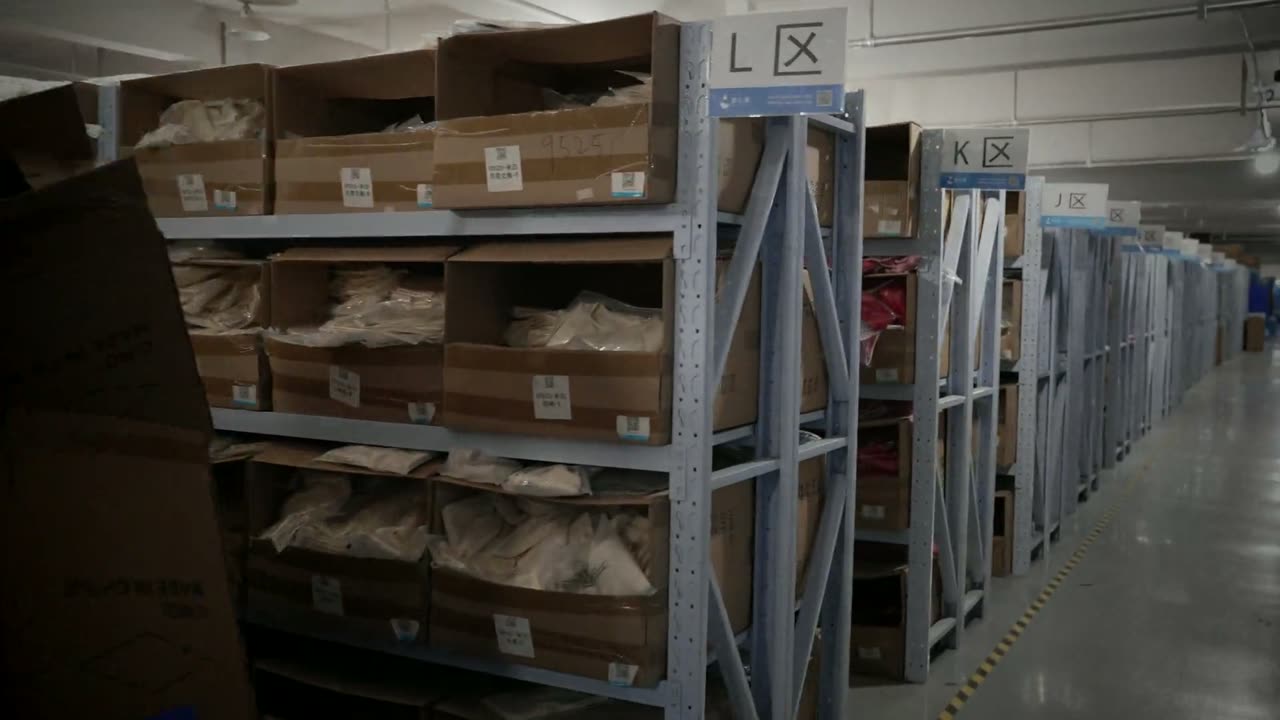
Private label: a factory makes your styles with your fabric, fit, colors and branding, in a batch (from ~100 pieces). You hold light inventory but own quality, margin and the brand.
Head to head
| Factor | Print-on-Demand | Private Label |
|---|---|---|
| Upfront risk | Almost none | Low (100-pc run) |
| Margin | Thin (~20–35%) | Strong (60–75%+) |
| Fabric & fit | Fixed blanks | Fully custom |
| Branding | Print only | Labels, hangtags, packaging |
| Seamless option | Rare | Yes (knitted in-house) |
| Best for | Testing designs | Building a real brand |
The exact moment to switch
Graduate from POD to private label when any of these is true:
- A style sells consistently — you'd reorder 100+ pieces anyway.
- POD margins are too thin to fund ads or growth.
- Customers ask for better fabric, fit or a "real brand" feel.
- You want seamless construction, custom colors, or branded packaging POD can't do.
Because private label now starts at a 100-piece MOQ, graduating is low-risk: you only commit once a design has proven demand. Many brands run POD and private label side by side — POD to test new ideas, private label for proven winners.
The unit economics, side by side
| Print-on-demand | Private label (100 pcs) | |
|---|---|---|
| Cash to start | ~$0 upfront | Hundreds to low thousands |
| Unit cost | High (retail-ish base + print) | Wholesale |
| Gross margin | Thin (20–40%) | Healthy (60–80%) |
| Quality control | None — you never touch goods | Full — samples + AQL |
| Branding | Print only, generic blanks | Labels, tags, packaging, fabric choice |
| Shipping speed | Per-item production delay | In-stock, ships same day |
POD converts fixed cost to unit cost. That is genuinely valuable at volume zero and increasingly expensive at every unit after — the crossover typically arrives between 50 and 150 total sales, earlier than most founders expect.
The quality-and-returns math nobody shows
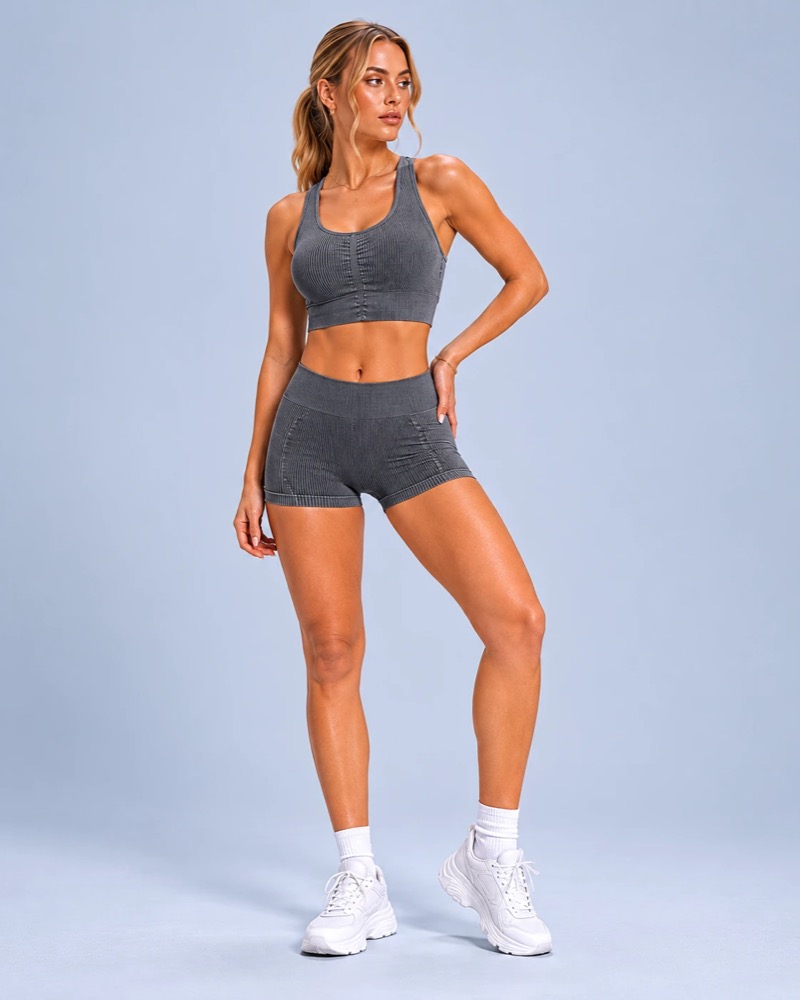
Activewear is a fit business. POD blanks come in one generic fit you have never worn, printed by a facility you cannot audit, shipped in whatever bag the printer uses. Every fit complaint and print-crack review lands on your brand. At a 25% return rate on thin margins, POD activewear can lose money per order while "growing". Private label inverts this: you approved a fit sample, your factory runs AQL inspection, and your 60–80% gross margin absorbs the inevitable returns while leaving profit. POD is a fine t-shirt business; as an activewear business it fights the category's physics.
When POD still makes sense — and the migration path
POD earns its keep for validation: testing slogans, niches and design directions with zero inventory risk, or as an overflow catalogue behind a stocked core line. The clean migration: run POD to find your 2–3 proven winners, then move exactly those into private label at 100 garments in total — you keep the validated demand and triple the margin on day one. Keep POD live for the long tail if you like; just stop letting it carry your hero products. The step-by-step is in the low-MOQ guide.
What you own vs what you rent
The deepest difference is asset ownership. Private label builds assets you keep: an approved fit block (your pattern, reusable forever), a fabric standard, branded packaging, QC history, and a supplier relationship with improving terms. POD rents all of it — switch printers and you restart at zero, because the blanks, the print profiles and the fulfilment were never yours. This is why PL brands compound (each order makes the next one better and cheaper) while POD stores plateau: there is nothing accruing underneath the ad spend. If your ambition is a sellable brand, buyers due-diligence exactly these assets.
The 90-day migration plan
Days 1–14: rank your POD catalog by profit (not revenue), pick the top 2–3 styles, and request matching stock-program samples from a factory. Days 15–35: fit-check samples, apply your branding, approve. Days 36–60: place 100 pieces per winner, shoot proper content on the real garments, keep POD live for everything else. Days 61–90: launch the private-label versions at premium pricing to your existing audience ("new fabric, new fit — made properly"), watch the review velocity, and reorder before stockout. Most brands complete the switch on their hero products inside one quarter without a single day offline — the mechanics live in the low-MOQ guide.
FAQ
Which is better for an activewear brand?
POD for validation; private label for margin, quality and brand. Most brands use both, then shift to private label as styles prove out.
What MOQ to switch?
As low as 100 garments in total — low enough to graduate the moment a design sells.