Quick answer: Circular seamless knitting creates activewear as a knitted tube, then adds programmed zones such as compression, ribbing and mesh before finishing. It can reduce chafe, improve stretch comfort and speed fit development for leggings, bras and sets, though cut-and-sew is still better for some pockets, zips and structured panels.
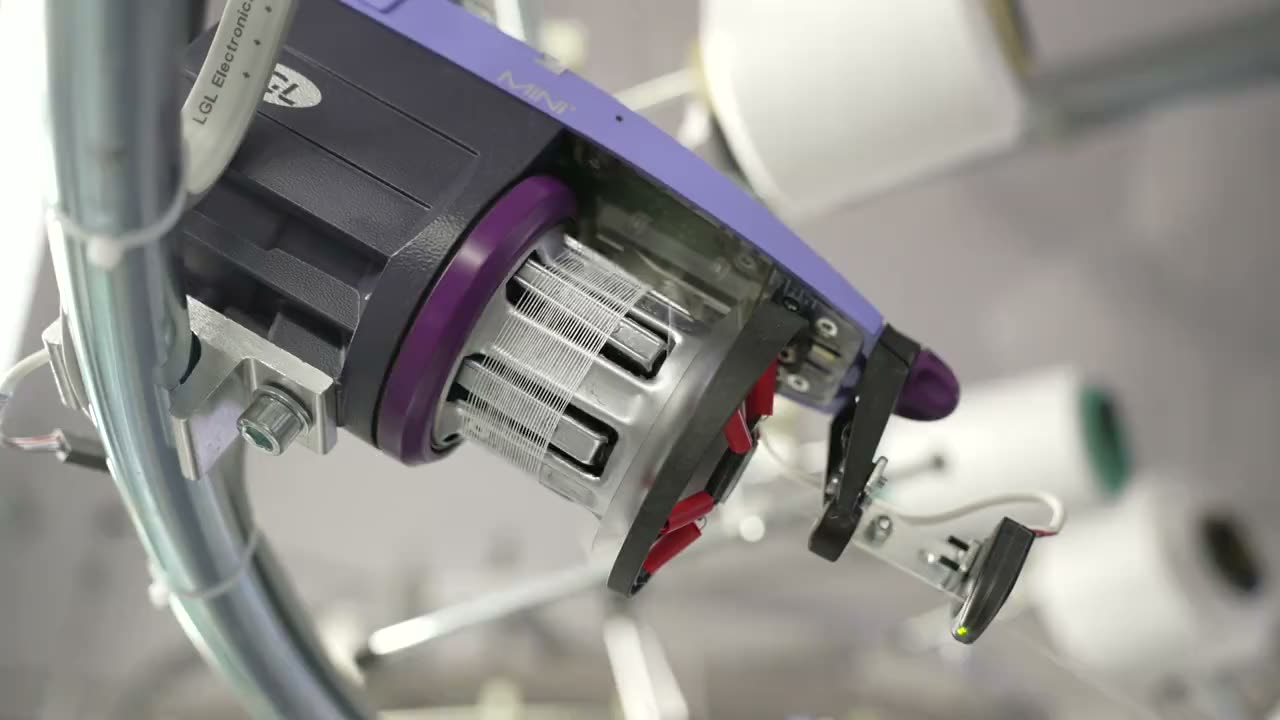
How circular seamless knitting works
In cut-and-sew activewear, fabric is knitted or woven first, then panels are cut and stitched together. In seamless production, circular machines knit a tube close to the final garment shape. The fabric can include texture, compression and ventilation zones directly in the knit. After knitting, the piece is finished, sometimes cut, sewn at key points, washed, checked and packed.
For a step-by-step overview of the factory process, read how seamless activewear is made.
What gets programmed into the knit
The technology is useful because the machine can vary the structure across the garment. A waistband can be firmer than the leg. A bra underband can use rib compression. Mesh can be placed in zones where the wearer needs breathability. These choices reduce the need for extra seams and panels.
- Compression zones: firmer areas for hold and shaping.
- Ribbing: texture and support around bands or side panels.
- Mesh: breathability without adding separate fabric.
- Texture: visual design built into the knit.
Why buyers choose seamless
Seamless construction can feel smoother against skin because there are fewer cut seams in high-friction areas. It also gives a clean premium look that works well for yoga, Pilates, lounge and everyday sets. For brands, it can simplify a first collection because one fabric technology can support leggings, bras, shorts and matching sets.
It is not automatically right for every product. If you need zip pockets, heavy paneling or very structured support, compare the options in seamless vs cut-and-sew activewear.
Yarn, GSM and recovery still matter
Technology does not save a poor fabric choice. The yarn blend, fabric weight, stretch recovery and dye behavior decide how the garment performs. For leggings, buyers often need denser construction and enough GSM to avoid sheerness. For bras, the band and strap zones must recover after stretching.
Before sampling, define the handfeel: soft and brushed, cool and compressive, ribbed, lightweight or sculpting. Then ask the factory what blend and GSM fit that target. Our activewear fabric guide explains the main trade-offs.
Limits of seamless technology
Seamless does not mean zero sewing. Waistbands, gussets, bra openings, straps and finishing may still need sewing. It also does not mean every shape is possible at low MOQ. Complex jacquards, special textures or unusual sizing can add setup and sampling time.
A good factory should explain what can be knitted directly, what needs sewing and what changes MOQ or lead time. Clear limits are a good sign; vague promises are not.
What to ask a seamless factory
Ask what machines they use, what yarn blends are common, what compression zones are possible, how samples are adjusted and how bulk is inspected. Ask to see examples of knitted zones, not just finished photos. If you want a partner with in-house circular knitting, review Yesseam’s seamless activewear manufacturing capabilities and prepare a reference style plus target use case.
FAQ
Is seamless activewear really seamless?
Not completely. It has fewer cut-and-sewn seams, but some sewing is still used for finishing, gussets, straps or openings.
What products work well with seamless knitting?
Leggings, sports bras, shorts, bralettes, tops and matching yoga or Pilates sets are common uses.
Is seamless always better than cut-and-sew?
No. Seamless is strong for smooth comfort and knit zones; cut-and-sew is better for some pockets, zips, panels and structured support.
What should I ask before sampling seamless styles?
Ask about yarn blend, GSM, compression zones, MOQ, sample rounds and how opacity or stretch recovery will be tested.
Is circular knitting the same as seamless knitting?
Not quite. Circular knitting just means knitting on needles arranged in a circle, which produces a tube. Large-diameter circular machines knit continuous fabric that is rolled, cut and sewn into ordinary T-shirts and leggings. Seamless knitting uses smaller, garment-sized circular machines that knit each piece to length with its shaping built in — so every seamless garment is circular-knitted, but most circular-knitted fabric ends up cut-and-sewn.
What is the difference between circular knitting and flat knitting?
Circular machines knit a tube; flat (V-bed) machines knit on straight needle beds, producing flat panels, shaped panels, or on some machines complete knitted garments such as sweaters. For activewear and underwear, circular seamless machines dominate because a tube matches the shape of a leg or torso; flat knitting is more common for knitwear and structured knit pieces.
What counts as seamless knitwear?
Any garment knitted to shape with no, or almost no, sewn seams: seamless leggings, bras, tops and sets, seamless underwear and shapewear, hosiery and socks, and whole-garment sweaters knitted on flat machines. The common thread is that the garment's shape comes from the knitting program rather than from cutting and sewing panels.
What is Santoni seamless knitting technology?
Garment-sized circular knitting, as described above, named after Santoni, the Italian maker of circular seamless machines. Each garment is knitted as a tube with its textures and compression zones programmed in; the name refers to the machine maker, and the same method runs on other makers' machines.
Quote preparation checklist
A useful inquiry does not need to be long, but it should be specific enough for the factory team to separate product risk, material risk, and timeline risk. Before asking for a quote, prepare one reference image or line sketch, the target retail channel, the first size range, and the sales region. If the style is seamless, mark the compression zones, waistband height, gusset shape, strap placement, or ventilation areas that matter most. If the style mixes seamless knitting with cut and sew parts, note which panels can be knitted in one piece and which details need sewing, bonding, printing, or trimming after knitting.
For fabric decisions, share the handfeel you want rather than only a fiber percentage. Terms such as firm compression, soft recovery, dry handfeel, brushed surface, matte finish, or sculpting waistband help the sourcing team compare yarn, gauge, and finishing options. If sustainability is part of the brief, ask whether recycled yarn or GRS-aligned material can meet the same stretch recovery. For color planning, send a Pantone reference or a physical swatch if the shade is important across tops and bottoms. The dyeing route, sublimation artwork, and final finishing can change how a color reads under studio light and daylight.
For costing, separate the launch test from the repeat order plan. A first run may need a lower MOQ, extra fit sampling, and more approval time; a repeat run can often use a cleaner calendar once the yarn, measurements, grading, labels, and packaging are stable. Share the expected first order quantity, expected reorder quantity, target delivery window, packaging needs, and whether you need private label support. If certifications affect your sales channel, ask for the relevant certificate copies before sampling starts. Finally, keep one decision owner on your side so comments on fit, color, trims, and artwork do not conflict during the sample round.