Compression Activewear: How It's Really Made
“Compression” sells — but tight is not the same as engineered. Real compression comes from fabric power and knit tension, graded by zone and size, then verified with stretch-and-recovery testing. Here's what that means when you're speccing a line.
Quick answer: Compression comes from fabric “power” — spandex content plus knit tension — not from cutting a garment smaller. Serious programs grade pressure by zone and by size, then verify stretch-and-recovery on every bulk lot. On circular seamless machines, compression zones are knit directly into the garment.
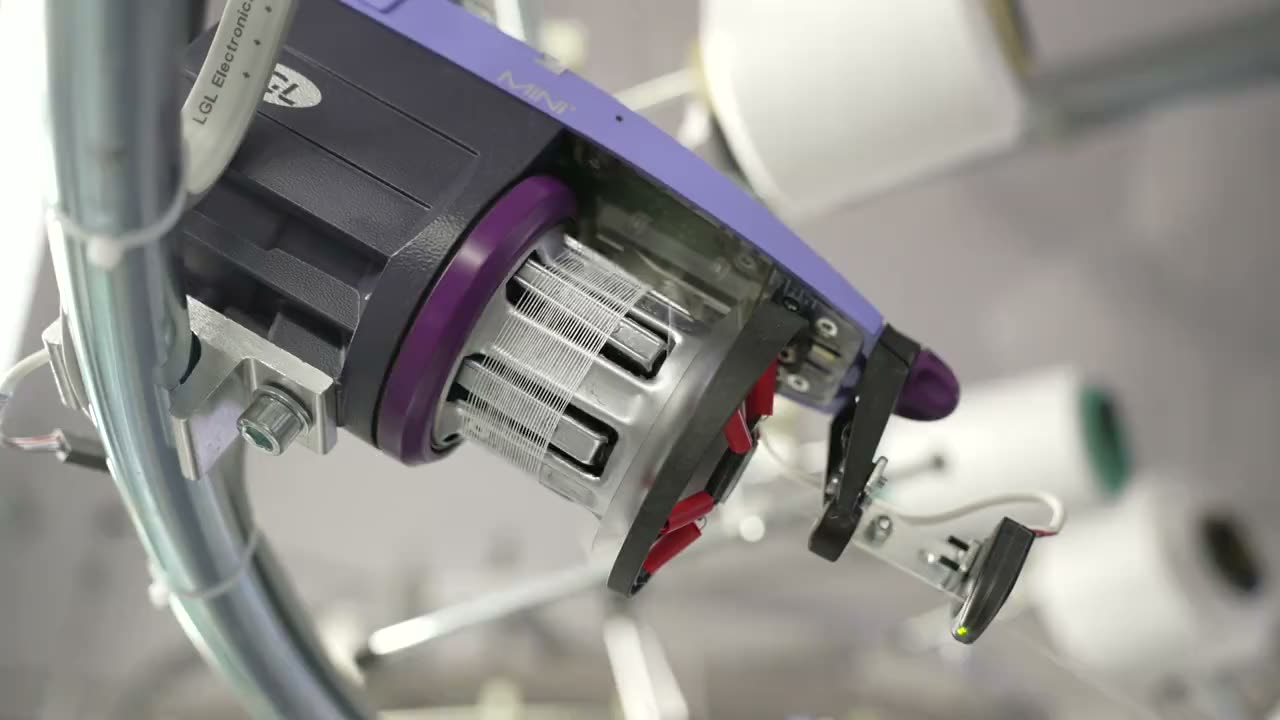
Where compression actually comes from
Three levers create pressure: spandex content (compression bottoms typically run 20–25%+), yarn denier, and knit tension/density. Cut a normal legging one size down and you get squeeze in the wrong places, a waistband that rolls and knees that bag after an hour. Engineered compression distributes pressure deliberately — and recovers its shape rep after rep.
Zoned vs uniform compression
Uniform compression is one power level everywhere — simpler, fine for base layers. Zoned compression varies pressure: firmer through waist and glutes, lighter behind the knee. This is where circular seamless knitting shines: zones are programmed into the knit itself, so there are no sewn panel joins pressing into skin.
Sizing is harder with compression
Because the fabric works under tension, the window between “effective” and “can't get it on” is narrower than with regular stretch. Grading can't be linear — hips, waist and thighs each need their own increments, and the ends of your size range need real fit checks. Plan one extra fit round compared to a standard legging.
The QC that matters: stretch and recovery
- Stretch test: does the fabric extend to spec at a given force — per lot, not just at development.
- Recovery test: after repeated extension, does it return — or stay bagged-out?
- Dimension under tension: waistband and cuff measurements checked stretched, not flat.
- Wash recovery: power retention after 5 washes.
What to ask a factory
- Which spandex brand and % is quoted — and is it in the knit or just the marketing?
- Can they knit zoned compression, or only sew panels?
- How is stretch-recovery verified on bulk lots?
- MOQ reality check: ours run 50 garments total on stock programs (100 with your logo) and usually 300–500 per style per colour for full custom — compression is no exception.
If you're weighing compression for your next drop, send us the use case — we'll recommend power levels and knit zoning, with fit samples in 7–10 days.
Compression levels and zones, translated
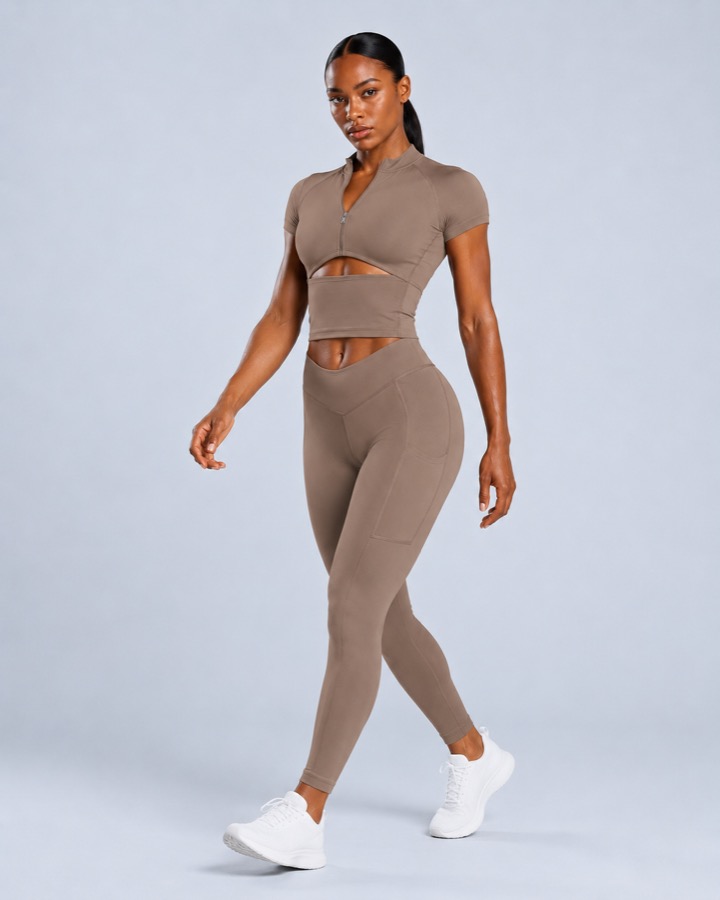
Medical compression is measured in mmHg, but activewear works in practical grades: light (gentle hold, everyday leggings), medium (visible shaping, gym mainstay), firm (training tights, recovery wear). What premium construction adds is zoning — different compression in different places on one garment. In seamless, zones are knitted: higher-density structures through waist and seat, moderate hold along muscle groups, breathable release zones behind knees. The spec conversation with your factory should name zones and intent ("firm seat and waist, medium thigh, light calf") rather than a single number; a garment that is uniformly tight is not engineered, just small.
Fit-testing compression garments properly
Compression fit fails in ways static measurement never catches. Test protocol: correct-size wearer, 15 minutes of real movement (squats, lunges, a stair climb), then assess four things — does the waistband hold position without folding; do zones sit where they were designed (a displaced seat zone reads as "weird tightness"); any skin marking deeper than light lines after removal; and the donning test, because a firm legging that takes three minutes to put on gets returned regardless of performance. Grade-check at the size extremes too: compression that is right at M is often brutal at XS and absent at XXL unless the knit map was graded, not just scaled — see the grading guide.
The failure modes that generate returns
Three patterns dominate compression complaints. Waistband roll: band tension exceeding band structure — fixed with taller, density-graded bands, not tighter ones. Zone migration: the garment rotates or slides so knitted zones miss their muscle groups — usually a rise or torso-length grading issue. And compression fade: hold that dies after a month — a recovery-yarn quality problem visible early if you wash-cycle your samples five times before approving. All three are spec-and-sample problems, which means all three are preventable before bulk for the cost of one extra test day.
FAQ
Is more spandex always better?
No. Past a point, garments get hard to put on and recovery can suffer. Balance spandex with knit tension and test recovery, not just squeeze.
Can compression be seamless?
Yes — zonal compression is exactly what circular seamless machines do well: pressure zones are knit in, with no sewn panel joins.
What's the MOQ for compression styles?
Same as our other programs: from 50 garments in total on stock programs (100 with your logo) and 500 for fully custom developments.