Quick answer: A good seamless leggings manufacturer controls the knit, fit sample and quality checks instead of outsourcing the hard parts. Look for squat-proof fabric guidance, clear MOQ by style and color, 7–10 day fit samples, and proof that the factory can adjust compression zones, waistband support and gusset construction before bulk.
Start with the product problem, not a catalog
Seamless leggings look simple from the outside, but the buyer risk is hidden in the fabric. A style can photograph well and still fail when the wearer bends, sweats or washes it. Before you ask for a quote, define the use case: yoga, Pilates, gym training, lounge, maternity, plus-size, sculpting or everyday athleisure. That use case decides fabric weight, compression, waistband depth, rib texture and how much support the seat needs.
For a first range, keep the product narrow. One legging body with two waistband options is easier to fit than six unrelated silhouettes. If you are still choosing between seamless and panelled construction, compare the trade-offs in our seamless vs cut-and-sew guide before you brief the factory.
What a real seamless leggings factory should control
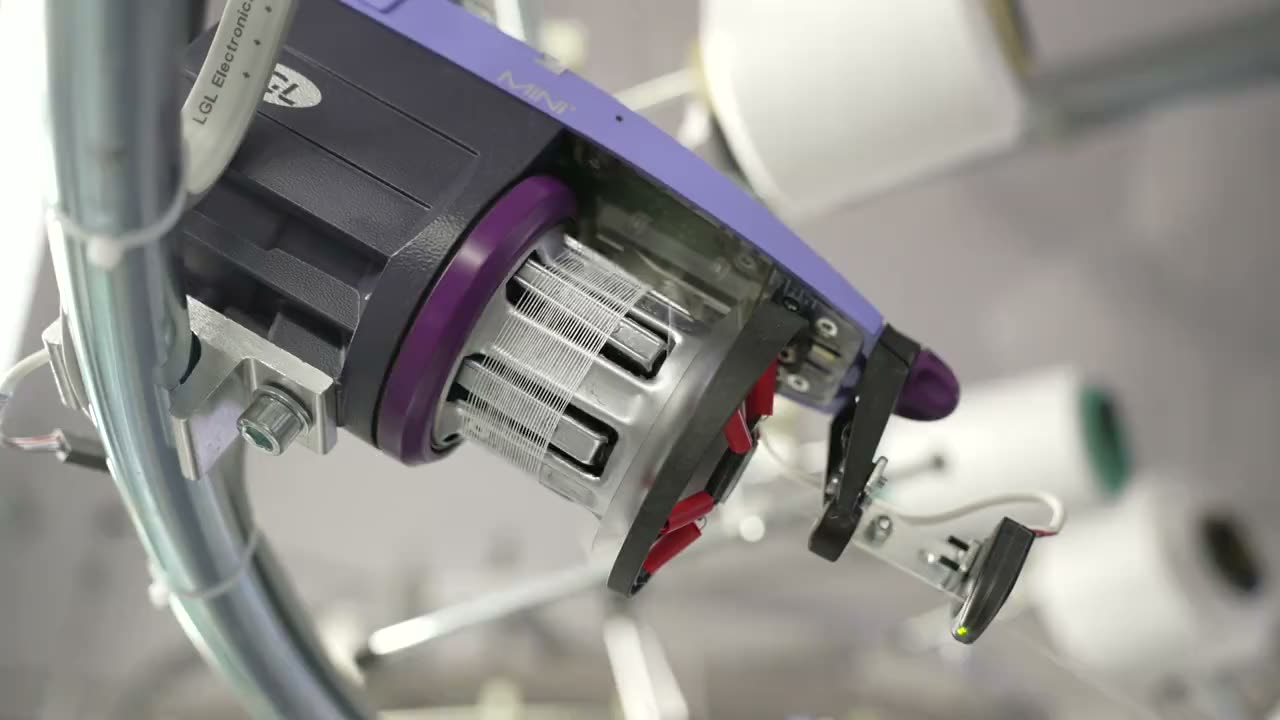
The strongest signal is control of the circular knitting stage. Seamless leggings are knitted as tubes, then finished, shaped and inspected. If the supplier cannot explain machine gauge, yarn blend, compression mapping or why a waistband rolls, they may be reselling someone else’s production. A vertical factory can test adjustments quickly because knitting, cut & sew and finishing are under one roof.
- Fabric: nylon/spandex or polyamide/elastane blends with enough stretch recovery for the intended workout.
- Opacity: enough weight, dense knit and correct seat tension, not just a dark color.
- Fit: rise, inseam, waistband hold, gusset and size grading tested on real bodies.
- Quality: measurement checks, seam strength, color consistency and final AQL inspection.
Squat-proof is a system
Squat-proof leggings are not created by one magic GSM number. Fabric weight helps, but the result comes from dense knitting, yarn recovery, correct pattern tension and a gusset that avoids pulling the seat too thin. For most premium leggings, a range around 230–320 GSM gives more coverage and sculpting; lighter fabrics can work for yoga if the knit is dense and the color is tested under bright light.
Ask the factory to squat-test the fit sample before it ships and repeat that test yourself. Our squat-proof leggings guide gives the exact checkpoints: fabric, waistband, gusset, seam placement and sample lighting.
MOQ, samples and the first order
For stock seamless styles with your logo, a realistic starting point is typically around 100 garments in total across eligible stock colourways. Full custom development is usually closer to 500 pieces because the factory has to set up yarn, knit programming and sample rounds. The number matters because leggings are size-sensitive: ordering too many units before the fit is proven creates dead stock.
Use the sample round to make decisions, not just to approve color. Check waist roll, camel-toe risk, sheerness, waistband recovery, ankle opening, wash shrinkage and how the legging feels after movement. If the MOQ language is confusing, read activewear MOQ explained before you negotiate.
Factory questions worth asking
Good questions reveal whether the supplier understands leggings or only sells images. Ask what blend and GSM they recommend for your use case, whether custom compression zones are possible, how they grade sizes, how many sample rounds are typical, and what happens if bulk fails inspection. Ask for a video of the knitting area if you cannot visit.
- Can you show in-house circular knitting, not only a showroom?
- What is the MOQ per style and colorway for stock and custom?
- How do you test opacity and stretch recovery?
- Can you adjust waistband compression without changing the whole style?
- What QC report do I receive before shipment?
When Yesseam is a fit
Yesseam is a vertically integrated seamless activewear factory in Xiamen, China, with in-house circular seamless knitting, cut & sew, dye-sublimation and finishing. That matters for leggings because fabric, fit and finishing decisions affect one another. If you want to start with a focused low-MOQ range, review our seamless activewear manufacturing page and send your reference style, target use case and first quantity.
FAQ
What should I ask a seamless leggings manufacturer first?
Ask what fabric blend, GSM, waistband construction and sample process they recommend for your target use case. A real factory should explain why, not only quote a style photo.
What MOQ is realistic for seamless leggings?
For stock styles with your logo, around 100 garments in total across eligible stock colourways is realistic. Full custom seamless development typically needs 300–500 garments per style per colour.
How do I know leggings will be squat-proof?
Approve a physical sample, squat-test it under bright light, and check fabric weight, knit density, seat tension, waistband support and gusset placement.
Should a new brand start with custom leggings or stock styles?
Most new brands reduce risk by starting with stock styles plus branding, then moving to custom once fit, demand and color winners are proven.
What are seamless leggings?
Leggings knitted as a continuous tube on a circular knitting machine rather than cut from flat fabric and sewn together. They have almost no stitching — typically no side seams and no inner-leg seams — and features such as the waistband, compression zones and rib textures are knitted in. "Seamless yoga pants" usually means the same construction.
Are seamless yoga pants the same as seamless leggings?
In practice, yes: seamless yoga pants, yoga tights and seamless leggings are the same knitted tube, and the names differ mostly by marketing. Yoga-led styles tend to use a softer, brushed or matte knit with a high waistband, while training styles use firmer compression.
Are seamless leggings good for working out?
Yes. With no side or inner-leg seams there is less to rub during squats and runs, and compression can be knitted exactly where it is needed. Whether they stay opaque and in place is decided by the fabric weight, the knit density and the waistband, not by the seamless construction itself.
How much do seamless leggings cost from a factory?
In our benchmark of 3,038 catalogue styles, leggings have a median FOB price of $8.50, with the middle half of styles between $7.30 and $9.40. Fabric blend, compression zones, a scrunch seat, pockets and custom dyeing are what push a pair toward the top of that band — the full price benchmark breaks it down.
Which certificates should a seamless leggings factory in China be able to show?
Ask for three kinds and check each one with the body that issued it: a social-compliance audit such as amfori BSCI, a harmful-substances certificate such as OEKO-TEX Standard 100 for the fabric or yarn in your order, and GRS if you plan to call the leggings recycled. Every certificate has a scope and an expiry date, so confirm it names the factory or material you are actually buying. The certifications guide shows how to verify each one.
Quote preparation checklist
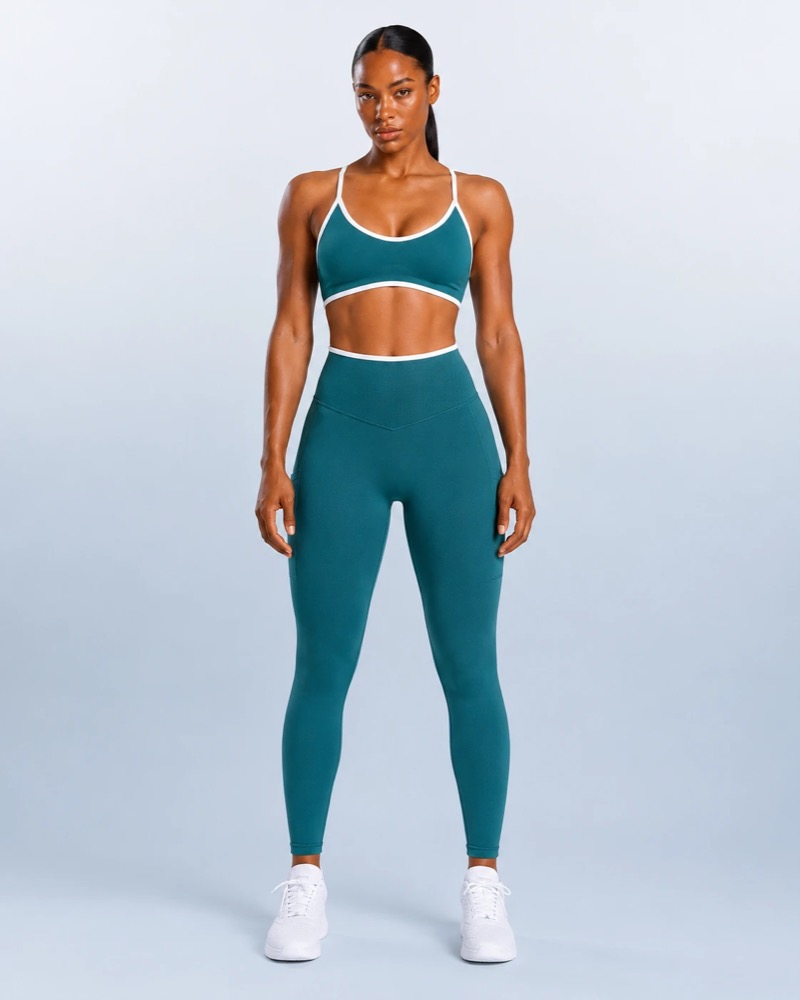
A useful inquiry does not need to be long, but it should be specific enough for the factory team to separate product risk, material risk, and timeline risk. Before asking for a quote, prepare one reference image or line sketch, the target retail channel, the first size range, and the sales region. If the style is seamless, mark the compression zones, waistband height, gusset shape, strap placement, or ventilation areas that matter most. If the style mixes seamless knitting with cut and sew parts, note which panels can be knitted in one piece and which details need sewing, bonding, printing, or trimming after knitting.
For fabric decisions, share the handfeel you want rather than only a fiber percentage. Terms such as firm compression, soft recovery, dry handfeel, brushed surface, matte finish, or sculpting waistband help the sourcing team compare yarn, gauge, and finishing options. If sustainability is part of the brief, ask whether recycled yarn or GRS-aligned material can meet the same stretch recovery. For color planning, send a Pantone reference or a physical swatch if the shade is important across tops and bottoms. The dyeing route, sublimation artwork, and final finishing can change how a color reads under studio light and daylight.
For costing, separate the launch test from the repeat order plan. A first run may need a lower MOQ, extra fit sampling, and more approval time; a repeat run can often use a cleaner calendar once the yarn, measurements, grading, labels, and packaging are stable. Share the expected first order quantity, expected reorder quantity, target delivery window, packaging needs, and whether you need private label support. If certifications affect your sales channel, ask for the relevant certificate copies before sampling starts. Finally, keep one decision owner on your side so comments on fit, color, trims, and artwork do not conflict during the sample round.