Common Seamless Knitting Defects: A Buyer’s ID Guide
Every manufacturing process has a defect signature. Circular seamless knitting has a short, learnable one — and a buyer who can name what they are looking at negotiates inspections from a completely different position.
Quick answer: The six defects that account for most seamless rejects: dropped stitches (ladder-like runs — critical), needle lines (vertical streaks from a worn needle — major), barré (horizontal shade bands from yarn-lot mixing — major), holes (broken yarn — critical), oil stains (machine lubricant — major but washable if caught), and hem/linking flaws (wavy or open joins — major). Bulk acceptance runs on AQL 2.5 major / 4.0 minor.
Why defects follow the process
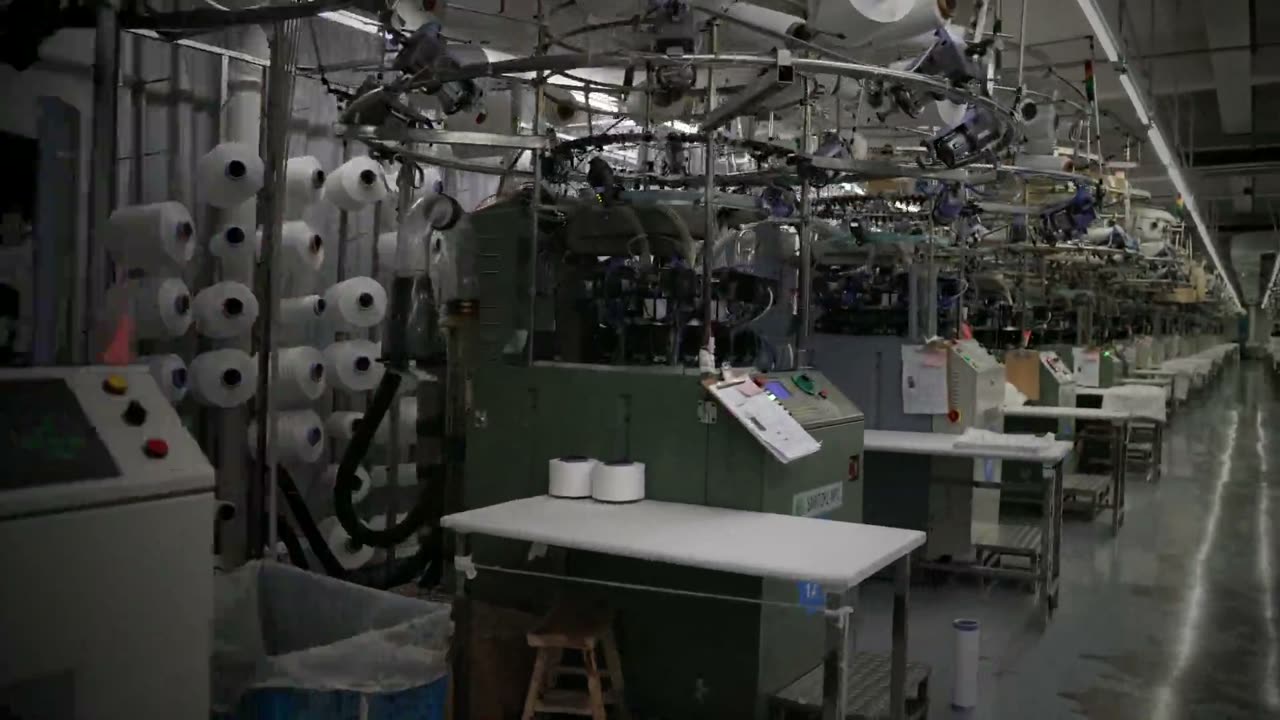
A circular machine is hundreds of needles doing the same thing thousands of times — so its failures are periodic and directional. Vertical flaws trace to a specific needle; horizontal flaws trace to a yarn or feed event; random flaws trace to contamination. That geometry is your fastest diagnostic tool at inspection.
The six to know
| Defect | Looks like | Cause → severity |
|---|---|---|
| Dropped stitch | Ladder/run climbing the fabric | Missed loop → critical |
| Needle line | Faint vertical streak, full length | Worn/bent needle → major |
| Barré | Horizontal shade banding | Mixed yarn lots / tension → major |
| Hole | Small break, often at high-stretch zone | Yarn break → critical |
| Oil stain | Dark spot line near needle path | Lubricant → major (usually washable) |
| Linking flaw | Wavy hem, open join at gusset | Assembly → major |
Critical vs major vs minor
Classification drives acceptance: critical defects (holes, runs — the garment will fail in use) tolerate zero; major defects (visible in normal wear: needle lines, barré, stains) count against the AQL 2.5 budget; minor flaws (visible only inside-out or under scrutiny) against 4.0. The sampling maths and inspection flow live in our AQL guide; the fabric-level pass numbers in QC thresholds.
What each defect says about the factory
One needle line in a lot = a needle due for replacement — routine. Needle lines recurring across lots = maintenance discipline problem. Barré = yarn-lot control problem (the same root cause as set colour mismatch — see colour matching). Oil stains spiking = machine servicing overdue. Defect patterns are a supplier-quality signal, not just a per-shipment score.
Buyer moves that work
Ask for the factory’s internal defect classification list before bulk (good factories have one; ours mirrors the table above). Put photos of your top three unacceptable defects in the tech pack — a picture beats a paragraph at the inspection table. And when a defect appears, ask which direction it runs: you will sound like someone who has stood next to the machine, because now you have.
How Yesseam controls them
In-line inspection at knitting (defects are cheapest to catch as fabric), needle-change logs per machine, yarn-lot reservation against barré, and final AQL 2.5/4.0 — with the defect list shared openly, because a buyer who knows the taxonomy is a customer who trusts the numbers.
FAQ
Which knitting defects should mean automatic rejection?
Criticals: holes and dropped-stitch runs — both grow with wear and will come back as customer returns. Everything else is negotiated inside the AQL budget; criticals are not.
Are oil stains a dealbreaker?
Usually not — machine-oil marks caught at inspection wash out in finishing. The flag is frequency: a spike in oil stains across a lot signals overdue machine servicing, which predicts other defects.
What causes the horizontal colour banding (barré)?
Yarn lots or tensions mixed within one garment run — the horizontal geometry gives it away. It is prevented by reserving a single yarn lot per program, the same discipline that keeps matching sets matching.
Can I inspect for these myself without an agency?
Yes for the visible six: strong flat lighting, check with fabric relaxed and gently stretched, inside and out, and note direction (vertical = needle, horizontal = yarn). Agencies add sampling rigour, but the taxonomy is learnable in an afternoon.
Developing this product?
Yesseam is a vertically integrated seamless activewear factory in Xiamen — in-house circular knitting, dyeing partners, sewing and QC, with stock programs from 50 pcs plain or 100 pcs with your logo, and custom development usually from 300–500 garments per style per colour. Send your idea or tech pack and get options and honest numbers within 24 hours.
Get a quote