Quick answer: BSCI, GRS, OEKO-TEX Standard 100 and ISO 9001 each cover different risks: social compliance, recycled-content chain, tested materials and quality management. They help you screen a factory, but you still need current documents, matching company names, sample approval and final QC.
Why certifications matter
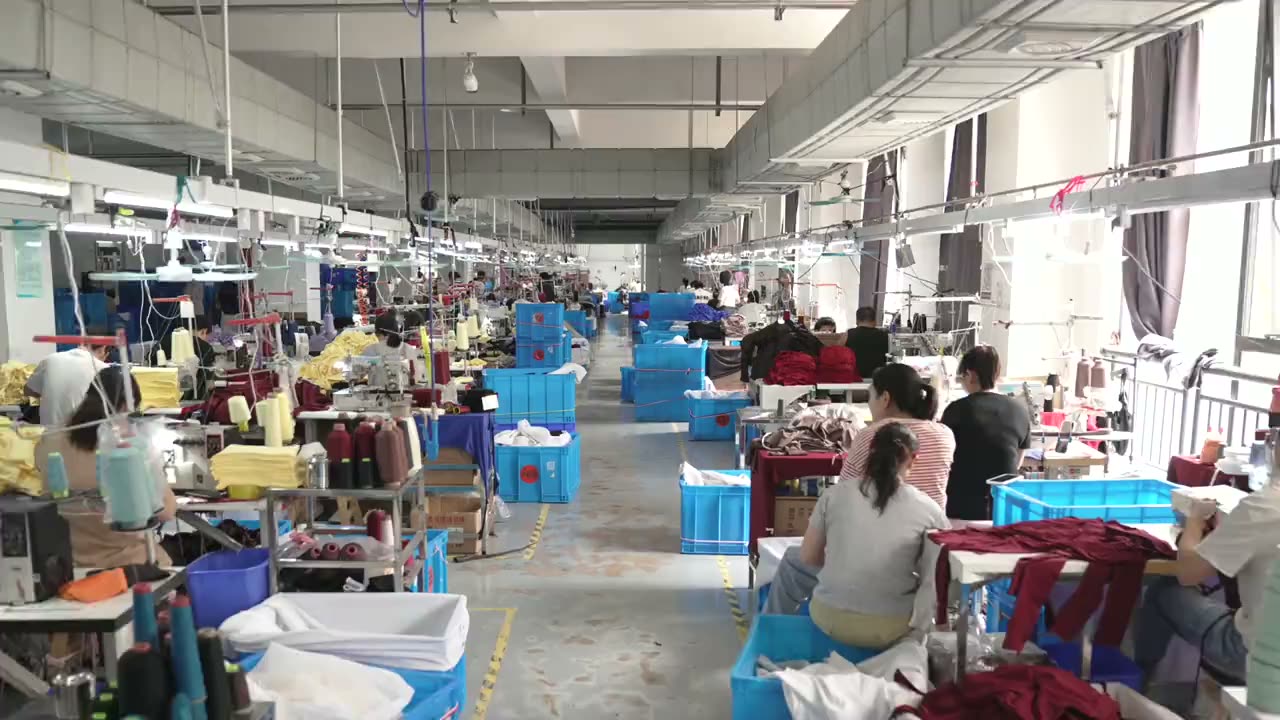
Activewear touches skin, stretches under stress and often carries sustainability claims. Certifications help buyers reduce risk by checking parts of the supply chain before the order ships. They do not replace samples or inspection, but they give a more serious starting point than a supplier saying “trust us.”
Yesseam works with BSCI, GRS, OEKO-TEX Standard 100 and ISO 9001 in its defensible fact set. The point is not to decorate a page with logos; it is to understand what each standard actually tells you.
BSCI: social compliance
BSCI is about social compliance in the factory environment. It looks at labor-related systems such as working conditions, management practices and responsible sourcing expectations. For a buyer, it is a signal that the factory has been reviewed against a recognized social framework.
It does not prove fabric quality, fit or recycled content. Ask for the current audit document and confirm the factory name. If your brand has its own compliance requirements, compare them with the audit scope before production.
GRS: recycled content chain
GRS matters when you sell recycled nylon, rPET or other recycled materials. It supports claims about recycled input and chain of custody. If you plan to make recycled activewear claims, ask what documentation is available for the fabric you will actually use.
Our guide to sustainable and recycled activewear explains how GRS connects to product claims and why vague “eco fabric” language is not enough.
OEKO-TEX Standard 100: tested materials
OEKO-TEX Standard 100 relates to materials tested for harmful substances. For activewear, this is important because leggings, bras and tops sit directly on skin and may be worn during sweat-heavy activity. Ask which fabric or trims carry the certification, not only whether the supplier has heard of it.
This certification does not mean a garment is recycled, and it does not prove the factory’s social compliance. It answers a different question: whether tested materials meet the standard’s chemical-safety criteria.
ISO 9001: quality management
ISO 9001 is about quality-management systems. It suggests the factory has documented processes for controlling work, checking output and improving issues. For activewear buyers, it is useful when paired with actual inspection: measurements, seam checks, color checks, wash tests and AQL.
To understand the inspection side, read our activewear quality control guide. Certification plus sample approval plus QC is stronger than any one of those alone.
Verification checklist for buyers
- Ask for current certificates or audit summaries, not old screenshots.
- Check the company name, address and scope.
- Ask which materials in your order are covered.
- Keep certificates with the order file and tech pack.
- Do not make consumer claims unless your documentation supports them.
Yesseam is a vertically integrated seamless activewear factory with the certifications listed above and in-house production. If certifications are important to your buyer or retailer, mention the required documentation before sampling so the right material path is chosen.
FAQ
Does BSCI prove product quality?
No. BSCI relates to social compliance. Product quality still needs samples, measurement checks and inspection.
What does GRS cover?
GRS supports recycled-content and chain-of-custody claims for relevant materials. Ask whether the specific fabric in your order is covered.
Is OEKO-TEX the same as organic or recycled?
No. OEKO-TEX Standard 100 relates to tested materials and harmful-substance criteria, not recycled or organic content.
Why does ISO 9001 matter?
It indicates a quality-management system, but buyers should still require sample approval and final QC evidence.
Quote preparation checklist
A useful inquiry does not need to be long, but it should be specific enough for the factory team to separate product risk, material risk, and timeline risk. Before asking for a quote, prepare one reference image or line sketch, the target retail channel, the first size range, and the sales region. If the style is seamless, mark the compression zones, waistband height, gusset shape, strap placement, or ventilation areas that matter most. If the style mixes seamless knitting with cut and sew parts, note which panels can be knitted in one piece and which details need sewing, bonding, printing, or trimming after knitting.
For fabric decisions, share the handfeel you want rather than only a fiber percentage. Terms such as firm compression, soft recovery, dry handfeel, brushed surface, matte finish, or sculpting waistband help the sourcing team compare yarn, gauge, and finishing options. If sustainability is part of the brief, ask whether recycled yarn or GRS-aligned material can meet the same stretch recovery. For color planning, send a Pantone reference or a physical swatch if the shade is important across tops and bottoms. The dyeing route, sublimation artwork, and final finishing can change how a color reads under studio light and daylight.
For costing, separate the launch test from the repeat order plan. A first run may need a lower MOQ, extra fit sampling, and more approval time; a repeat run can often use a cleaner calendar once the yarn, measurements, grading, labels, and packaging are stable. Share the expected first order quantity, expected reorder quantity, target delivery window, packaging needs, and whether you need private label support. If certifications affect your sales channel, ask for the relevant certificate copies before sampling starts. You can also compare how certification checks sit beside activewear sampling approvals in the wider development flow. Finally, keep one decision owner on your side so comments on fit, color, trims, and artwork do not conflict during the sample round.