Quick answer: Use GRS-certified recycled nylon or rPET, keep the certification chain documented, and only make claims you can prove. OEKO-TEX Standard 100 covers safe chemistry; GRS covers recycled content.
What "recycled activewear" actually means
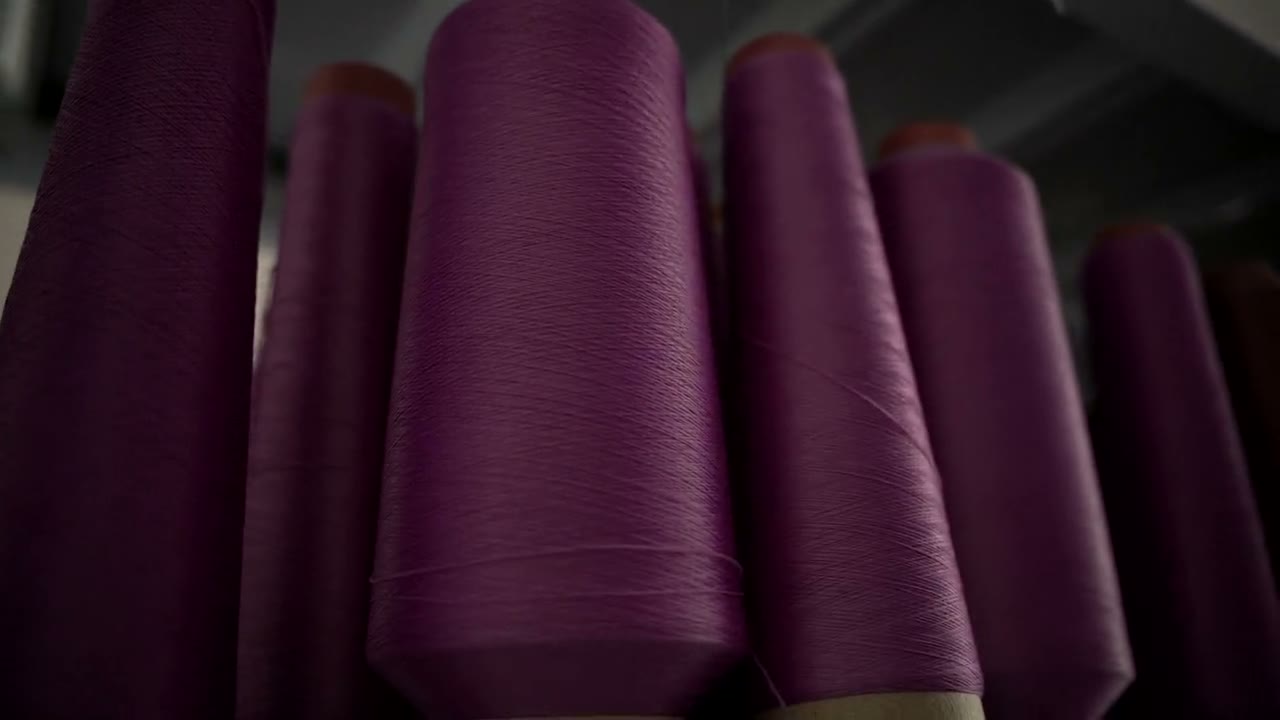
Most eco activewear uses recycled nylon (from fishing nets / fabric waste) or rPET (from plastic bottles), blended with spandex. It performs like virgin fabric with a lower footprint — when the recycled content is certified.
The certifications that matter
- GRS (Global Recycled Standard): verifies recycled content and the supply chain. The key one for "recycled" claims.
- OEKO-TEX Standard 100: tests for harmful substances — safe-to-wear chemistry.
- BSCI: social / ethical factory audit.
Yesseam is BSCI audited and works with GRS and OEKO-TEX Standard 100 certified materials.
How to avoid greenwashing
- Only claim what you can document (ask for transaction certificates).
- Be specific: "made with 78% GRS-certified recycled nylon", not "eco".
- Don't imply the whole brand is sustainable if one style is.
Does sustainable cost more?
Recycled fabrics are usually a small premium over virgin, often offset by the higher price customers will pay for a credible eco story. Minimums can be slightly higher for certified custom colors.
What GRS actually certifies (and what it does not)
The Global Recycled Standard is a chain-of-custody certification: it verifies that the recycled content claimed in your garment can be traced through every processing step — polymer, yarn, fabric, garment — with transaction certificates (TCs) at each hand-off. A garment labelled "GRS 78% recycled nylon" means auditors can follow that 78% back to reclaimed feedstock. What GRS does not certify: that the garment is biodegradable, non-toxic, carbon-neutral or "sustainable" in any general sense. It is a material-content claim, and treating it as more than that is where brands get into legal trouble.
For your buyers the practical takeaway is simple: ask your factory for the scope certificate (proving the site is GRS-certified) and a transaction certificate for your actual order. A factory that hesitates on TCs is reselling someone else's paperwork.
Recycled nylon vs recycled polyester in seamless
The two fibers behave differently and price differently. Recycled polyester (rPET, usually from bottles) is abundant, stable and modestly priced — the workhorse for tees and mid-tier leggings. Recycled nylon (often from fishing nets or pre-consumer waste, e.g. regenerated yarns) has the softer, cooler hand-feel premium seamless is known for, but supply is tighter and cost per kilo runs meaningfully higher. Blends matter too: spandex is never recycled at scale, so a "recycled" legging is realistically 75–80% recycled fiber plus virgin spandex — say that plainly on your labels.
Claiming it legally on labels and product pages
Both the FTC Green Guides (US) and the EU's tightening green-claims rules point the same direction: specific, substantiated, percentage-based claims are safe; vague ones are not. "Made with 78% GRS-certified recycled nylon" — safe, provable, and honestly more persuasive. "Eco-friendly / sustainable / planet-positive" — legally exposed in the EU and increasingly in the US. Keep the certificate PDFs on file, print the percentage on the care label, and let the specificity do the marketing.
The cost and MOQ reality
Expect recycled yarns to add a noticeable premium at the fabric level and, because certified yarn lots are larger, color MOQs can be higher than for virgin equivalents. The practical path for a small brand: launch core colorways in certified recycled fabric where dye lots consolidate (black, navy, one seasonal), keep fashion colors virgin, and expand the recycled share as volumes grow. We run GRS-certified recycled nylon and polyester programs in-house — the certification landscape is mapped in our certifications guide.
Beyond fabric: trims, packaging and the paper trail
A credible sustainability story doesn't stop at the shell fabric. Sewing thread, elastics and labels all have recycled options; polybags can switch to recycled LDPE or paper-based mailers; and hang tags to FSC card. None of these move cost much at scale, and together they close the gap between "recycled fabric" and "recycled product" that sharp customers (and journalists) probe. Keep the documentation habit: every certified input gets its certificate filed against the PO, so when a retailer's compliance team asks, the answer is an email attachment, not a scramble.
Telling a certified factory from a certificate reseller
Three quick probes separate the real thing from paperwork laundering. Ask for the scope certificate with the factory's own name and address — not a trading company's — and check it on the certifier's public database. Ask for a transaction certificate from a recent shipment (names redacted is fine); resellers stall here. And ask which yarn suppliers their recycled program runs on — a factory that actually knits certified yarn talks brands and lot sizes fluently. Two minutes of diligence beats a season of greenwashing risk; more verification tactics in the factory vs trading company guide.
FAQ
What certification do I need for recycled activewear?
GRS (Global Recycled Standard) verifies recycled content; OEKO-TEX Standard 100 covers safe chemistry. Both are what credible eco activewear relies on.
Is recycled activewear more expensive?
Usually a modest premium over virgin fabric, often justified by the higher price customers pay for a documented sustainability story.