Quick answer: To tell a real activewear factory from a middleman, ask for proof you can verify: production video, machine area, audit documents, certificates under the factory name, and technical answers about sampling and QC. A real factory can show how your order moves from fabric to fit sample to final inspection.
Why the difference matters
Activewear is technical. Fabric stretch, color, fit and sewing quality change when too many parties sit between the buyer and production. A trading company may outsource each style to a different workshop, which makes problem-solving slower. A real factory is closer to the machines, the technicians and the inspection team.
This does not mean every intermediary is dishonest. It means you need to know who is responsible for your fabric, sample, bulk and QC. Our low-MOQ manufacturer guide covers more red flags for startup sourcing.
Verification signals that matter
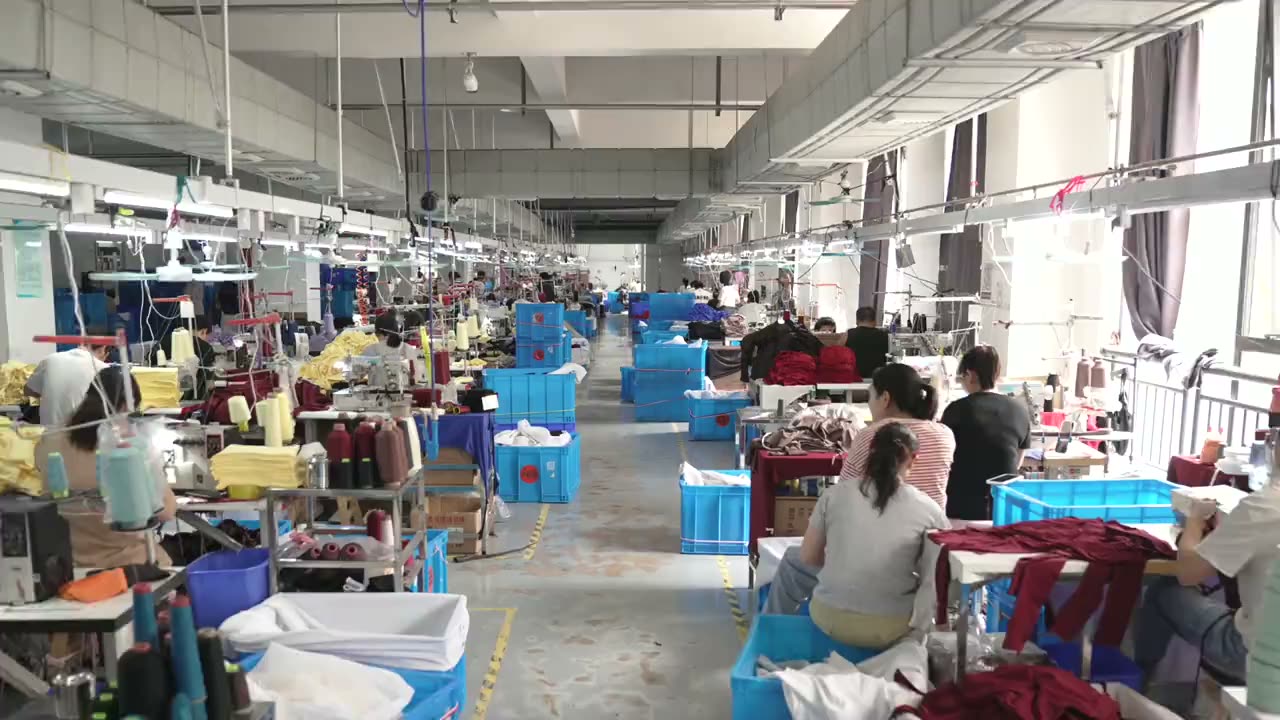
Do not rely on a logo wall or a showroom. Ask for a live or recorded video that shows the production floor, machine types, sample room and packing area. Ask whether the business license, audit and certificates match the company name you are contracting with. If a supplier refuses all verification, treat that as a risk.
- Video tour: shows machines, workers, sampling and packing, not only products.
- Documents: BSCI, GRS, OEKO-TEX or ISO 9001 should match the factory entity.
- Technical answers: fabric, MOQ, sampling and QC answers should be specific.
- Consistent contact: one accountable team should handle development and production.
Questions that expose a middleman
Ask who owns the knitting machines, where dyeing or sublimation happens, and who signs off the AQL inspection. Ask what happens if the sample fails opacity or the bulk color is off. A middleman often answers with broad claims such as “we can make anything,” while a factory explains limits, lead times and trade-offs.
If you are comparing factories in China, use criteria rather than rankings. Our activewear sampling guide explains how to use samples to check fit, fabric, color and communication before bulk.
How to read certificates without overclaiming
Certificates help, but they are not magic. BSCI relates to social compliance, GRS to recycled content chain, OEKO-TEX Standard 100 to tested materials, and ISO 9001 to quality management systems. Ask for current documents and confirm the name and scope. A certificate for one supplier cannot automatically cover a different workshop.
Also ask how certifications connect to your specific order. If you buy recycled fabric, you may need GRS transaction documentation. If you need safe chemistry claims, ask which materials carry OEKO-TEX Standard 100.
Sample behavior tells the truth
The sample process reveals the supplier’s real role. A factory can usually explain why a sample failed and how to adjust knit tension, pattern, seam, logo placement or finishing. A middleman may only pass messages back and forth. Watch how fast answers arrive and whether they include technical reasoning.
- Do comments come back with photos or measurements?
- Can the supplier explain why a change affects MOQ or lead time?
- Are revisions tracked clearly?
- Does the bulk team see the approved sample and tech pack?
Yesseam’s position: a factory you can verify
Yesseam is a vertically integrated seamless activewear factory in Xiamen, China, with in-house circular knitting, cut & sew, dye-sublimation and finishing under one roof. For buyers, the practical value is simple: fewer handoffs and clearer responsibility. If you want to verify the production path, start with our seamless factory capability page or ask for a focused production discussion before sampling.
FAQ
Is a trading company always bad?
No. A trading company can be useful, but you must know what it controls and what is outsourced. For technical activewear, direct factory access usually makes sampling and QC clearer.
What proof should I ask from a factory?
Ask for production video, current certificates, audit documents, business details, sample-room proof and technical answers about fabric, MOQ and QC.
How do I verify certifications?
Check whether the certificate name, scope and date match the supplier you contract with. Ask how the certificate applies to your material or order.
Why does vertical integration matter?
It reduces handoffs between knitting, sewing, finishing and inspection, which makes fit changes and quality issues easier to trace.
Quote preparation checklist
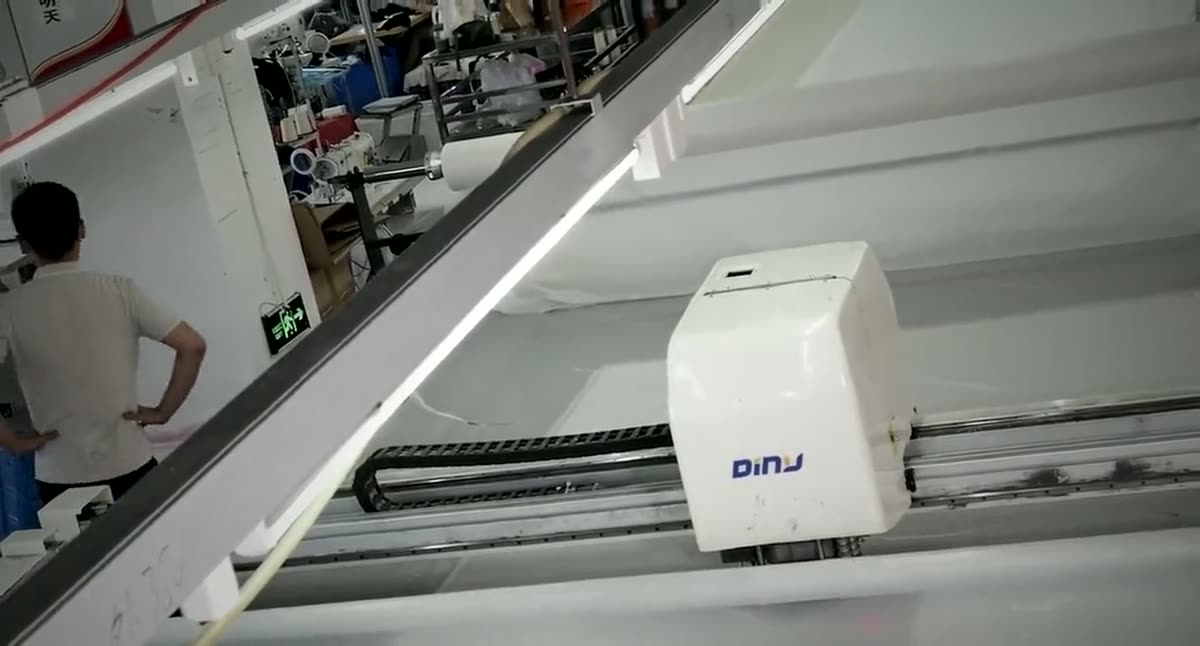
A useful inquiry does not need to be long, but it should be specific enough for the factory team to separate product risk, material risk, and timeline risk. Before asking for a quote, prepare one reference image or line sketch, the target retail channel, the first size range, and the sales region. If the style is seamless, mark the compression zones, waistband height, gusset shape, strap placement, or ventilation areas that matter most. If the style mixes seamless knitting with cut and sew parts, note which panels can be knitted in one piece and which details need sewing, bonding, printing, or trimming after knitting.
For fabric decisions, share the handfeel you want rather than only a fiber percentage. Terms such as firm compression, soft recovery, dry handfeel, brushed surface, matte finish, or sculpting waistband help the sourcing team compare yarn, gauge, and finishing options. If sustainability is part of the brief, ask whether recycled yarn or GRS-aligned material can meet the same stretch recovery. For color planning, send a Pantone reference or a physical swatch if the shade is important across tops and bottoms. The dyeing route, sublimation artwork, and final finishing can change how a color reads under studio light and daylight.
For costing, separate the launch test from the repeat order plan. A first run may need a lower MOQ, extra fit sampling, and more approval time; a repeat run can often use a cleaner calendar once the yarn, measurements, grading, labels, and packaging are stable. Share the expected first order quantity, expected reorder quantity, target delivery window, packaging needs, and whether you need private label support. If certifications affect your sales channel, ask for the relevant certificate copies before sampling starts. Finally, keep one decision owner on your side so comments on fit, color, trims, and artwork do not conflict during the sample round.