Where Should You Manufacture Activewear? An Honest Comparison
Every sourcing thread has someone shouting a different country. The truth is boring: each hub is good at different things, and the factory you pick matters far more than the flag on the label. Here's the comparison we'd give a friend.
Quick answer: There's no single best country. China has the deepest activewear supply chain and most of the world's specialist seamless capacity, with low-MOQ flexibility. Vietnam excels at large cut-and-sew programs. Bangladesh wins on cost at high volume. Nearshore (Turkey, Portugal, Mexico) wins on speed to your market. Match the country to the product and stage — then vet the specific factory.
At a glance
| China | Vietnam | Bangladesh | Nearshore | |
|---|---|---|---|---|
| Core strength | Supply-chain depth + seamless | Large cut-and-sew runs | Cost at high volume | Speed to your market |
| Startup MOQs | ~100–300 pcs workable | Usually higher | High | Small runs possible |
| Fabric access | Next door | Often imported | Limited technical | Limited |
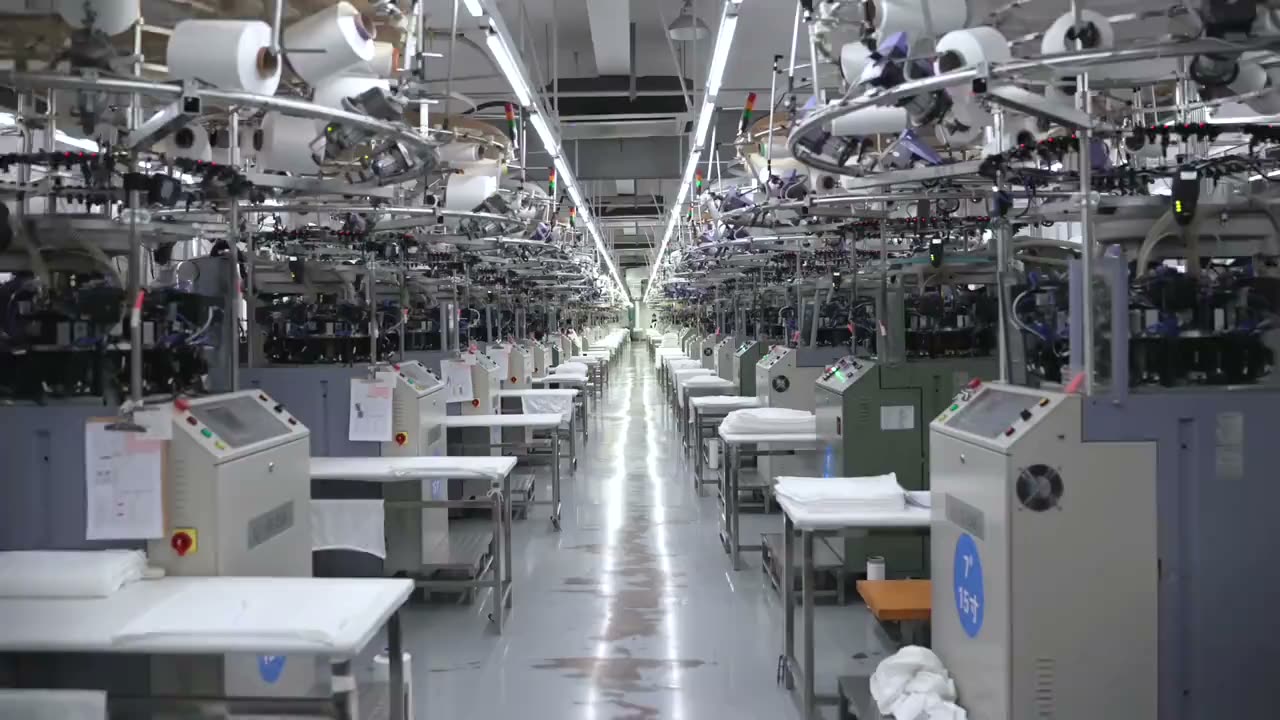
| Seamless machines | Most of world capacity | Limited | Rare | Limited |
| Watch out for | Compare landed (DDP) cost | Material lead time | Longer development | Higher unit cost |
What actually decides the question
- Supply-chain depth: can fabric, trims, printing and packing happen near the sewing floor — or does material travel weeks first?
- Machinery: specialist gear (circular seamless machines, bonding, dye-sub) is not evenly distributed across countries.
- MOQ culture: some hubs are built for 50,000-piece programs, others will run 100–300 pcs/style.
- Compliance & audits: BSCI-style social audits and testing infrastructure exist everywhere — but density varies.
- Logistics: where your customers are changes the freight math entirely.
China: depth and specialisation
China's edge isn't “cheap” anymore — it's depth. Yarn spinners, fabric mills, trim suppliers, print rooms and packing all sit within driving distance of the sewing floor, which is why development is fast and low MOQs are workable. Most of the world's circular seamless capacity is here. Consideration: US tariffs — always compare landed (DDP) cost, not FOB price.
Vietnam: scale in cut-and-sew
Excellent large-run cut-and-sew, strong quality culture, favourable duties into some markets. Trade-offs: much of the performance fabric is still imported (often from China), adding weeks of material lead time, and typical MOQs run higher. Great fit for established brands consolidating volume on stable styles.
Bangladesh: cost at volume
Hard to beat on price for high-volume basics. Trade-offs: longer development loops, thinner technical-fabric ecosystem, and less specialist activewear machinery. Rarely the right first stop for a premium seamless line.
Nearshore (Turkey, Portugal, Mexico): speed
Shortest lead times into the EU or US respectively, easy factory visits, small runs possible. Trade-offs: higher unit costs and a narrower technical-fabric and seamless ecosystem. Strong choice for fast-fashion cycles and premium “made closer” positioning.
Match the country to your scenario
- Startup, 100–300 pcs, seamless or technical styles: China is usually the practical answer — depth plus low-MOQ flexibility.
- 50k basic tees or shorts: Vietnam or Bangladesh become very competitive.
- EU brand on 6-week cycles: Turkey/Portugal are worth the premium.
- Premium seamless collection: follow the machines — see our China seamless factory comparison.
The real risk is the factory, not the flag
A great factory in any country beats a mediocre one in the “right” country. Whatever you choose: verify audits and certificates under the factory's own name, order samples, and insist on production video — our factory-vs-trading-company checklist works in every geography.
Want the China side of the math for your product? Send one inquiry — real MOQs, real lead times, DDP quote included.
FAQ
Is “Made in China” a problem for premium brands?
Plenty of premium activewear is produced in China. Buyers respond to quality, fit and compliance evidence — certificates, audits, testing — far more than to the origin label.
Are US tariffs a dealbreaker for China production?
Not automatically. Compare landed DDP cost across countries for your actual product and volume — fabric availability and development speed often outweigh the duty delta.
Can I split production across countries?
Common at scale — e.g. seamless in China, basics elsewhere. Keep each fabric single-sourced so colour and hand-feel stay consistent within a product line.
Are there seamless activewear manufacturers in Turkey and Portugal?
Yes. Both countries have circular and seamless knitting capacity serving European brands, with shorter shipping times to Europe. Specialist seamless capacity is deepest in China's coastal hubs, so compare specific factories — their machines, minimums, lead times and prices on the same spec — rather than choosing by country.